

Image
Mission Critical Real Estate: Why Data Centers Are Reshaping the Industry
Intro Text
An inside look at one of the hottest topics in CRE.
May 06, 2026
Moderator:
Jay Olshonsky, CCIM, SIOR, FRICS (President & Owner, Forty Two Plus, LLC)
Panelists:
Robby Eaves, CCIM (Principal, Commercial Industrial Properties)
Jack Funchion, (Vice President of Sales, Global Financial Services, Digital Realty)
Todd Johnson, CDCDP (Director of Development, Ryan & Companies)
The infrastructure powering today’s digital economy is rapidly becoming one of the most important—and least visible—sectors in commercial real estate. From artificial intelligence to cloud computing, the demand for data centers is transforming how investors, developers, and brokers think about land, utilities, and long-term value creation.
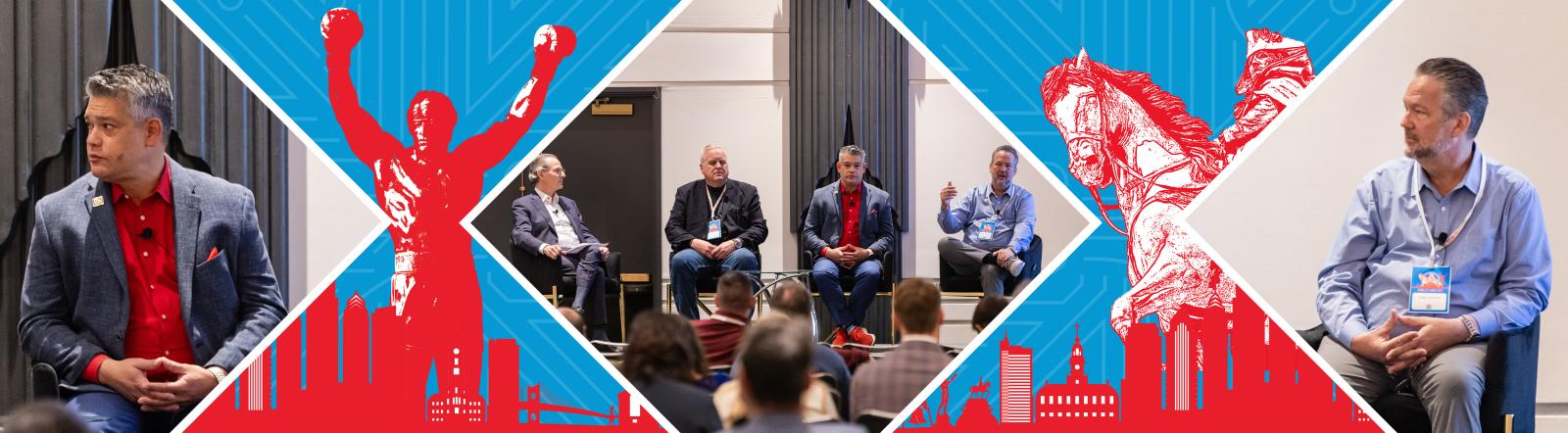
The panel, Mission Critical: Where Industrial, Infrastructure, & Data Converge, took place on Monday, April 20, 2026, during The CCIM Institute 2026 Spring Forum.
Moderated by Jay Olshonsky, CCIM, SIOR, FRICS, this lively panel discussion delved into how this unique sector is rethinking investment.
At the center of that transformation is demand. Jack Funchion didn’t mince words: “The data center industry has been growing explosively… and there is more demand than there is supply.”
Driven largely by artificial intelligence, the sector has seen construction spending multiply rapidly, with no signs of slowing. In some markets, rents have surged dramatically, reflecting just how constrained supply has become.
But unlike traditional real estate, the limiting factor in this sector isn’t square footage—it’s power. As Funchion put it, “the limiting factor… is not building space, it’s how much power can we get to deliver.” That shift has redefined how deals are evaluated, moving from dollars per square foot to dollars per kilowatt. In many ways, data centers are less about real estate and more about energy infrastructure.
Robbie Eaves, CCIM, reinforced that idea from a brokerage perspective: “It’s really an energy play with a real estate jacket on it,” he said, highlighting the critical importance of securing reliable power access early in the process. Without a clear path to energy, even the most promising site is unlikely to move forward.
Todd Johnson, CDCDP, emphasized the complexity behind making deals happen. “If you don’t have power, you don’t have anything,” he noted, adding that successful projects depend on a combination of factors—including utilities, water access, and entitlements—all supported by a strong “story” that can withstand scrutiny from both users and regulators.
That scrutiny is growing. Community resistance—often referred to as NIMBYism (“not in my backyard”)—has become a major hurdle. Johnson described it as being at “an all-time high,” fueled by political divides and public concerns about environmental and local impacts. Yet despite vocal opposition, many municipalities continue to approve projects after weighing the long-term economic benefits.
Those benefits can be substantial. Data centers generate significant tax revenue with relatively low strain on local infrastructure. As Funchion explained, developments can transform underutilized land into long-term revenue streams, delivering “tens of millions of dollars in taxes… going forward, forever.” Eaves added that personal property taxes from constantly upgraded equipment can further boost local funding, particularly for schools and public services.
Still, not every site—or deal—will succeed.
“Not all of them have a reliable pathway to power,” Eaves cautioned, pushing back on the notion that every parcel of land is a viable data center opportunity. Developers often evaluate multiple sites simultaneously, ultimately selecting those with the lowest risk and fastest path to development.
Despite these challenges, panelists agreed that the broader trajectory remains overwhelmingly positive. “We are at the best opportunity… where we have basically infinite demand and limited supply,” Funchion said, capturing the industry’s current momentum. Supply constraints—from power infrastructure to equipment—are likely to prevent overbuilding, keeping the market tight.
For brokers and local market participants, the message was clear: this is a highly specialized space that requires expertise and collaboration. Johnson advised professionals to “work as a land broker with a developer or an end user that knows what they’re doing,” emphasizing the importance of partnerships in navigating the complexity of these deals.
Perhaps most telling was how panelists described where the industry stands today. While opinions varied slightly, there was consensus that the growth cycle is far from over.
“We are in the very early innings,” Funchion said, pointing to the transformative impact of AI as a catalyst for continued expansion. Eaves agreed, noting that demand continues to outpace supply, while Johnson suggested the industry may be entering a phase of strategic recalibration.
The takeaway for real estate professionals is unmistakable: data centers are no longer a niche; they are a foundational component of the global economy. For those willing to understand the intersection of real estate, technology, and energy, the opportunity has never been greater.